




 C13 till C15 nätsladd: skåran, temperaturklassificeringar och vilken du behöver


Understanding the IEC C13 Connector and Its Role in Power Cords
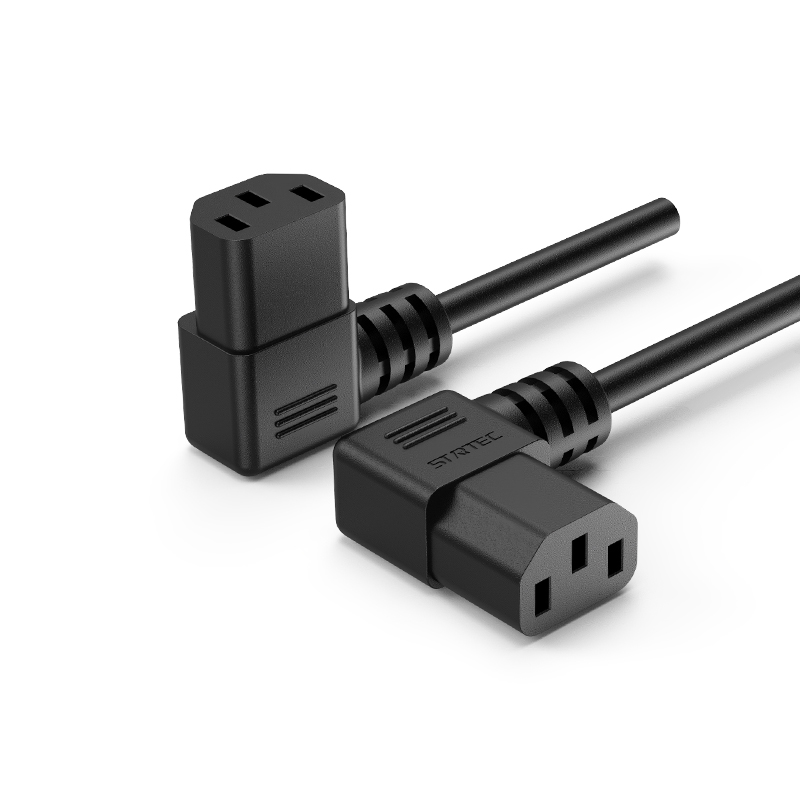
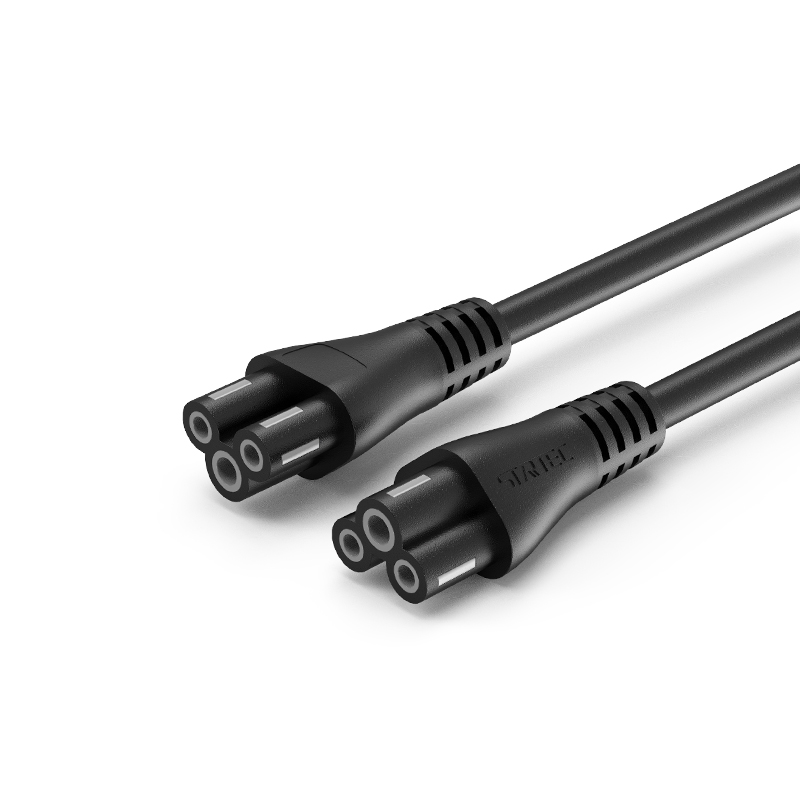
The IEC C13 Connector is the standardized appliance coupler defined under IEC 60320, most commonly recognized as the three-pronged connector on the end of a desktop computer's power cord where it meets the C14 inlet on the power supply. It is one of the most widely produced connector types in the electronics industry because it standardizes how AC power is delivered into IT equipment, servers, monitors, and a broad range of office and industrial devices.
The connector exists in two mating halves: the c13 male connector, which is actually the female-bodied receptacle end on the cord (IEC terminology names connectors by pin gender, not housing shape), and the iec c13 female connector on the equipment inlet side, typically paired with a C14 male inlet. Understanding this naming convention matters, since ordering the wrong gender for a replacement cord is one of the most common procurement errors in data center and office equipment maintenance.
How the C13/C14 Coupling System Works
A c13 connector male terminates one end of the power cord and plugs into the recessed C14 inlet on the appliance chassis, completing the circuit through three contacts: line, neutral, and ground.
Key Electrical Ratings
- Rated current: typically 10A at 250V for standard C13/C14 pairs
- Contact configuration: three-pin, grounded, with a distinctive rounded housing shape that prevents cross-insertion with other IEC 60320 types
- Operating temperature: generally rated up to 70°C depending on the insulation compound used
The housing geometry is deliberately keyed so a C13 connector cannot be forced into a C16 or C18 inlet, which are used for higher-current or higher-temperature applications. This mechanical safeguard prevents underrated cords from being connected to equipment that could draw more current than the cord is designed to carry.
Material Requirements for Reliable C13 Cord Assemblies
Because a female c13 connector is repeatedly inserted and removed over the life of a piece of equipment, the insulation and jacket compound around the cord must resist cracking from repeated flexing near the strain-relief point. A brittle or poorly formulated PVC compound is one of the leading causes of insulation cracking at the connector boot, which can expose conductors and trigger a safety failure during routine inspection.
Hejin Electronics Technology Co., Ltd., established in 2010, specializes in R&D and manufacturing of PVC compounds for wire and cable applications, including flame-retardant, insulating, and sheathing formulations suited to repeated-flex applications like IEC connector cords. Operating fully automated compounding lines across a 20,000-square-meter facility with six internal mixers, the company maintains an annual production capacity of 120,000 metric tons, supplying consistent raw material to cord manufacturers.
Comparing C13 with Adjacent IEC 60320 Connector Types
Procurement teams sometimes confuse C13 with visually similar IEC connectors rated for different loads. The table below outlines the key distinctions.
| Connector | Mating Inlet | Typical Rating |
|---|---|---|
| C13 | C14 | 10A / 250V |
| C15 | C16 | 10A / 250V, high-temperature rated |
| C19 | C20 | 16A / 250V |
Manufacturing and Sourcing Considerations for C13 Cords
Bulk buyers sourcing C13 power cords for server rooms or office rollouts typically evaluate suppliers on consistency across large order volumes, since even a small percentage of connector housings with loose pin retention can create intermittent power issues in production environments.
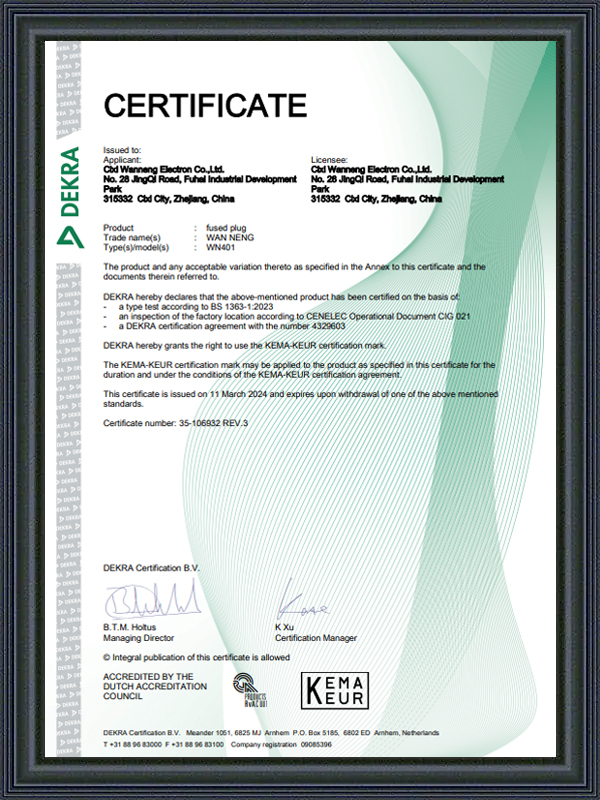
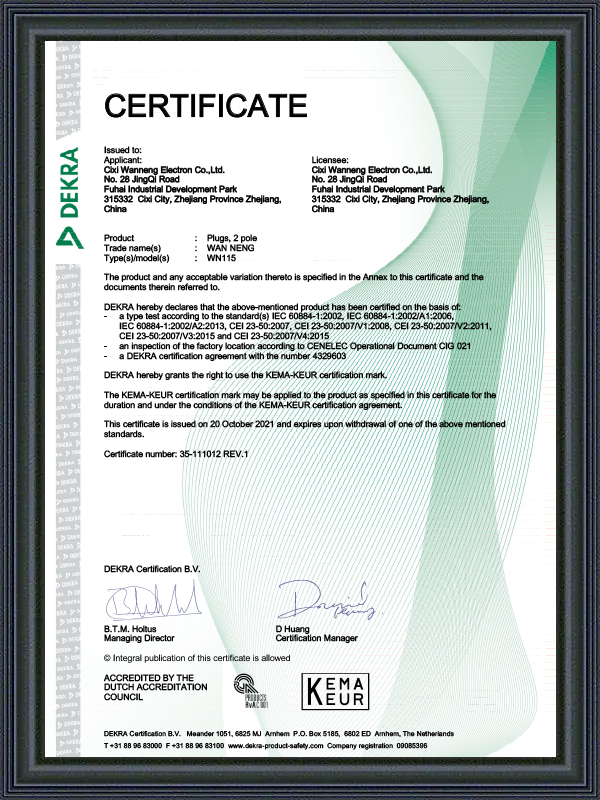
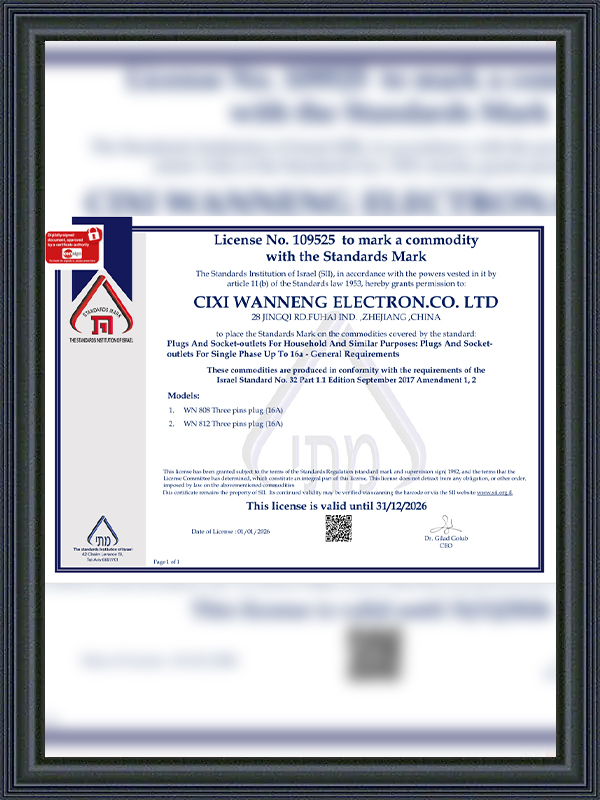
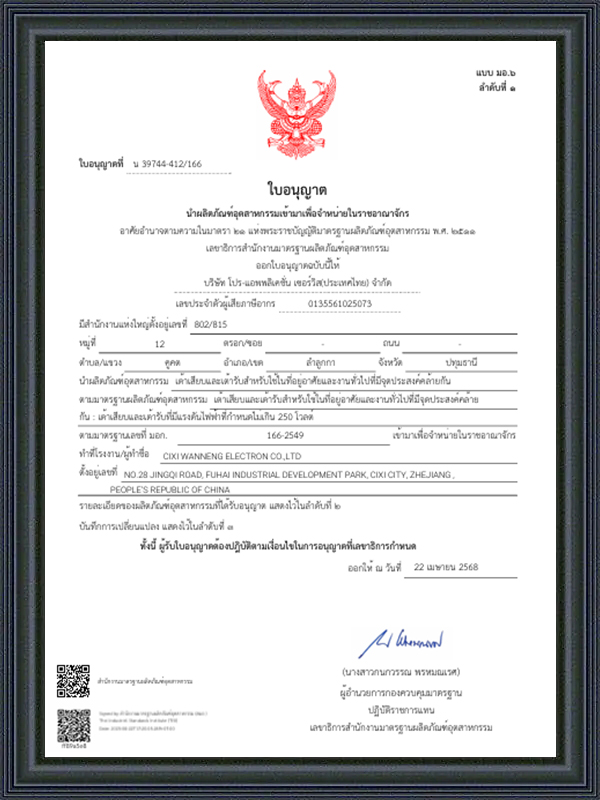
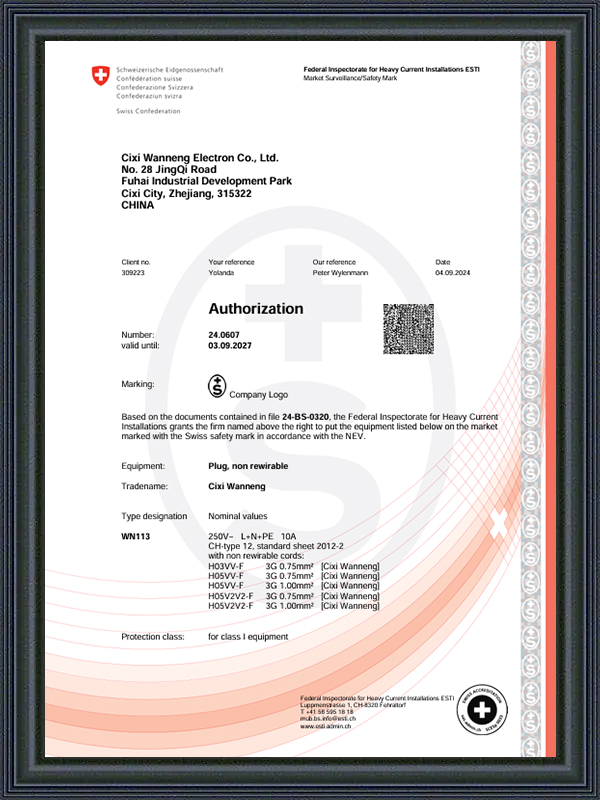
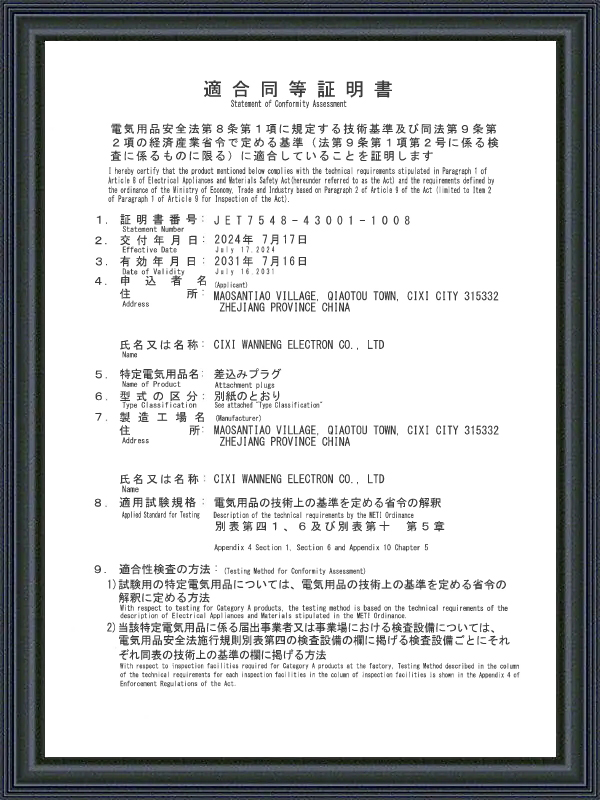
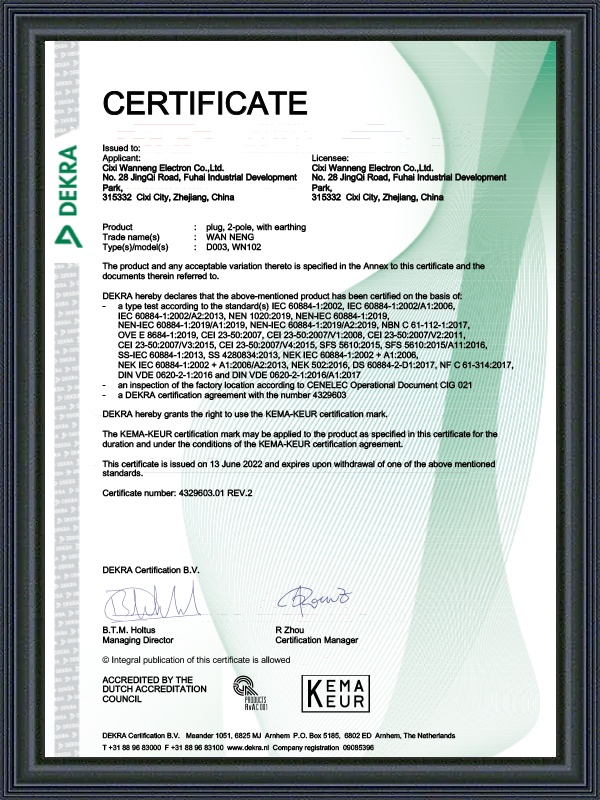
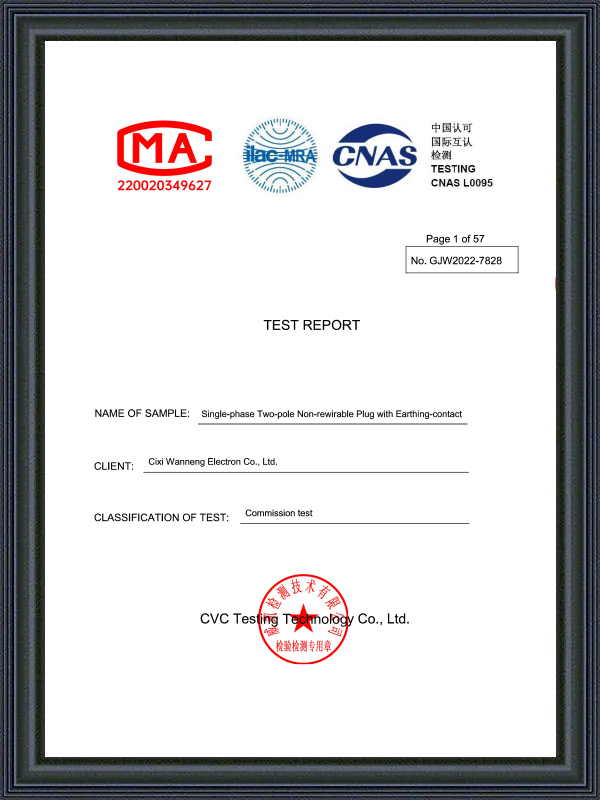
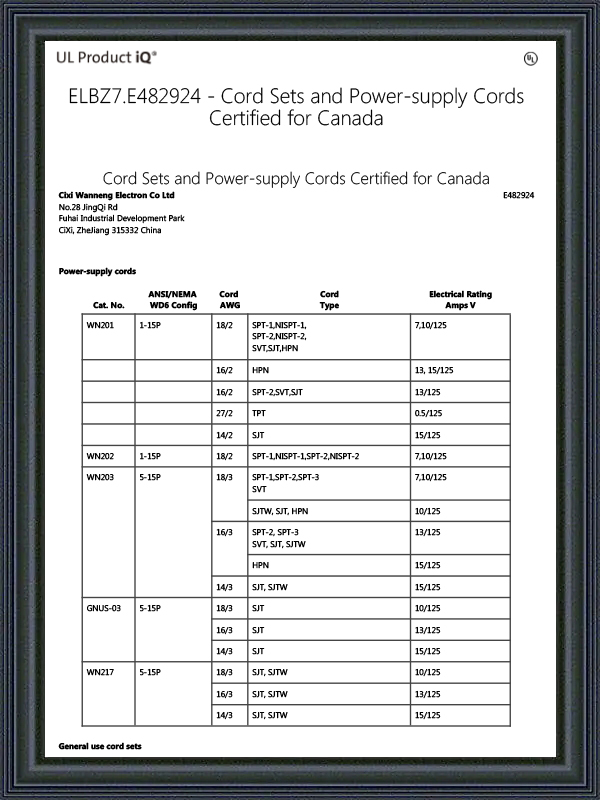
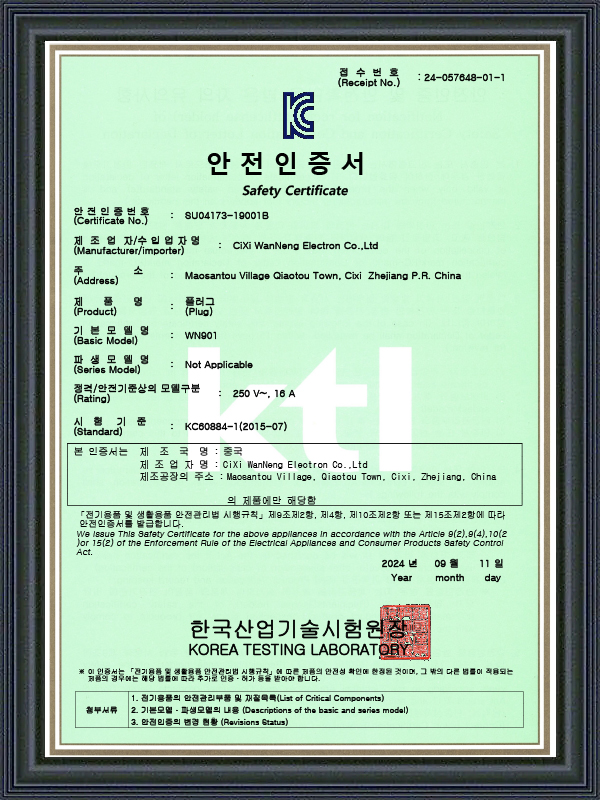
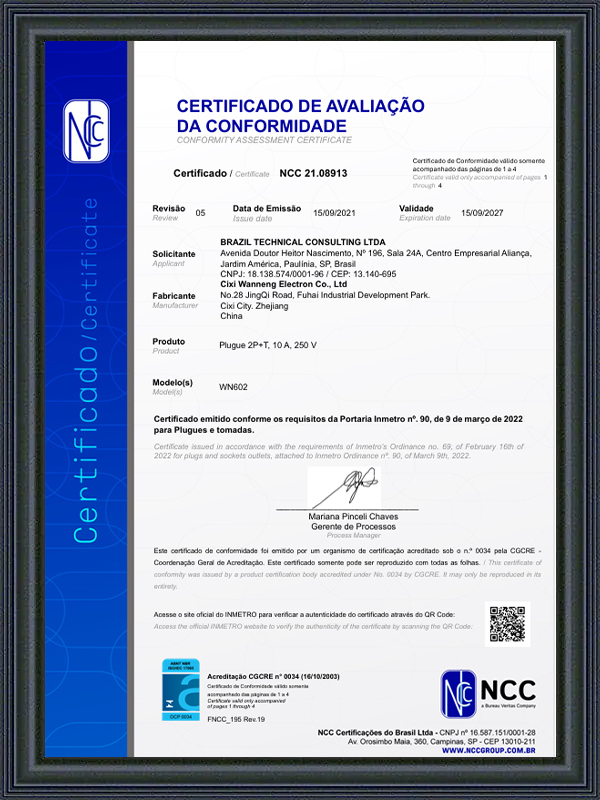
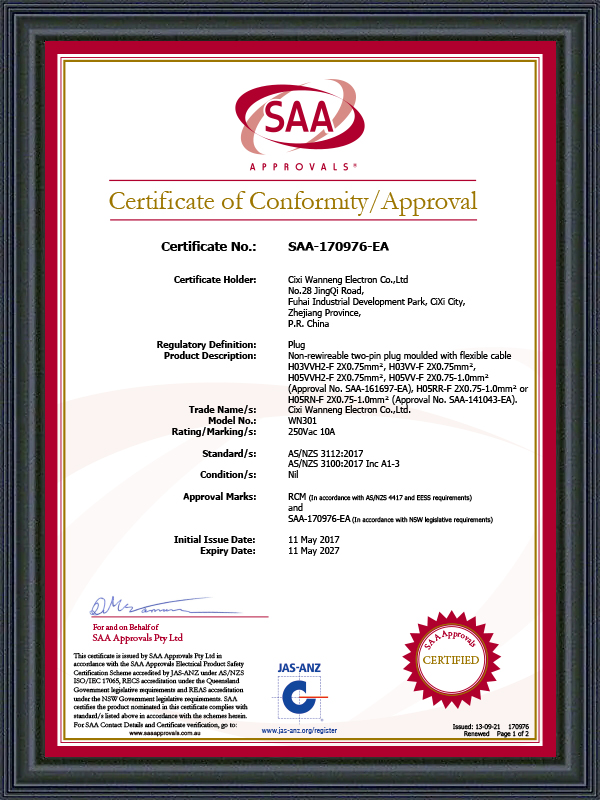
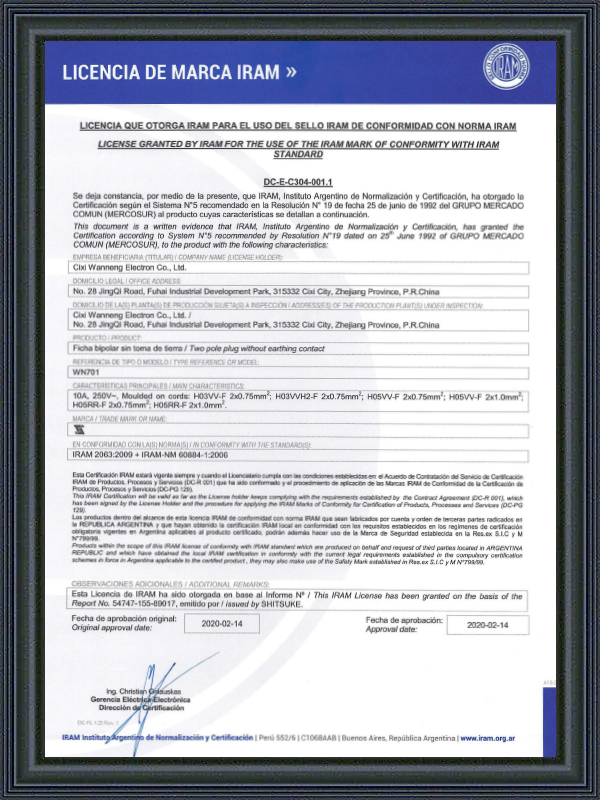
Cixi Wanneng Electron Co., Ltd., founded in 1995, manufactures power cords with full in-house capability from copper wire drawing to plug molding, producing more than 600,000 units daily at its smart factory. Backed by over 100 engineers and certifications including UL, VDE, CCC, SAA, UKCA, CE, RoHS, and REACH, the company supplies home appliance, medical equipment, power tool, and industrial clients across many regions.
- Confirm connector gender matches the equipment inlet before placing bulk orders
- Request pin-retention and insertion-cycle test data for high-turnover environments
- Verify the cord's current rating matches the connected equipment's actual draw, not just its nameplate wattage
Frequently Asked Questions
Q1: What is the difference between a C13 male connector and a C14 inlet?
The C13 connector is the socket-style end on the power cord, while the C14 is the plug-style inlet built into the equipment; the two are designed exclusively to mate with each other and not with other IEC 60320 pairs.
Q2: Can a female C13 connector be used with equipment rated above 10A?
No, standard C13/C14 pairs are rated for 10A at 250V; equipment drawing higher current should use the C19/C20 pairing, which has a different keyed housing to prevent accidental mismatched connections.
Q3: Why do IEC connectors use rounded, keyed housings instead of simple pin arrangements?
The keyed housing shapes physically prevent a lower-rated connector, such as a C13, from being plugged into a higher-current or higher-temperature inlet, reducing the risk of overheating or fire from an underrated cord being used on equipment beyond its capacity.

