



 C13 till C15 nätsladd: skåran, temperaturklassificeringar och vilken du behöver


What Is an Indonesia Power Plug
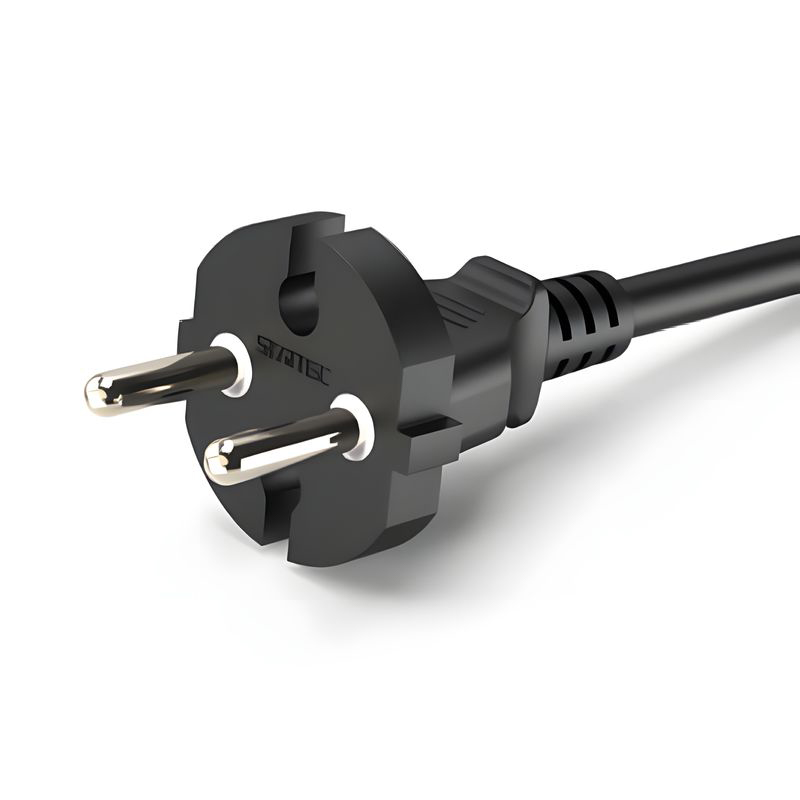
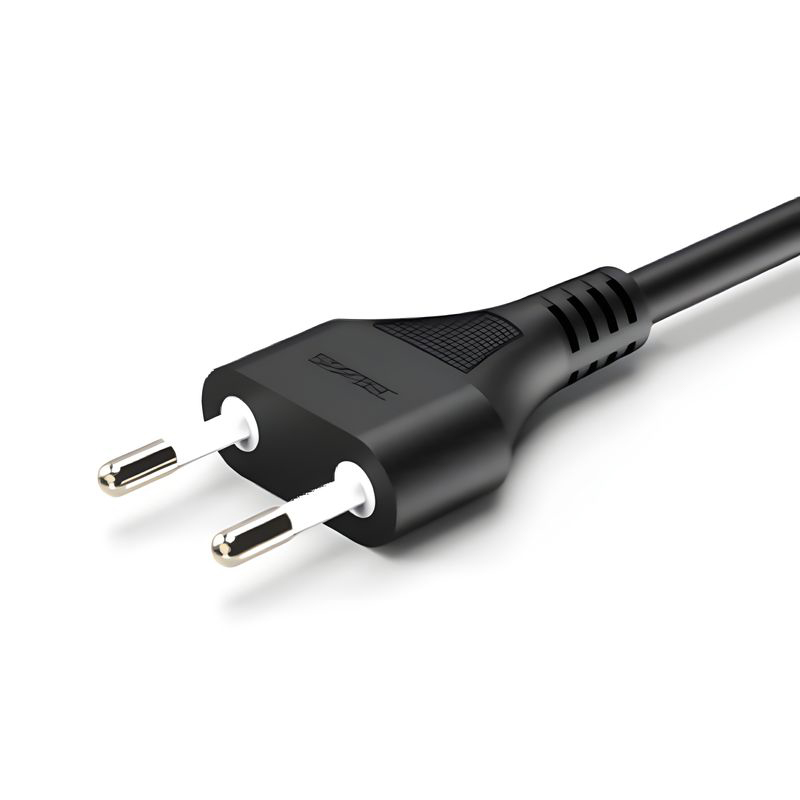
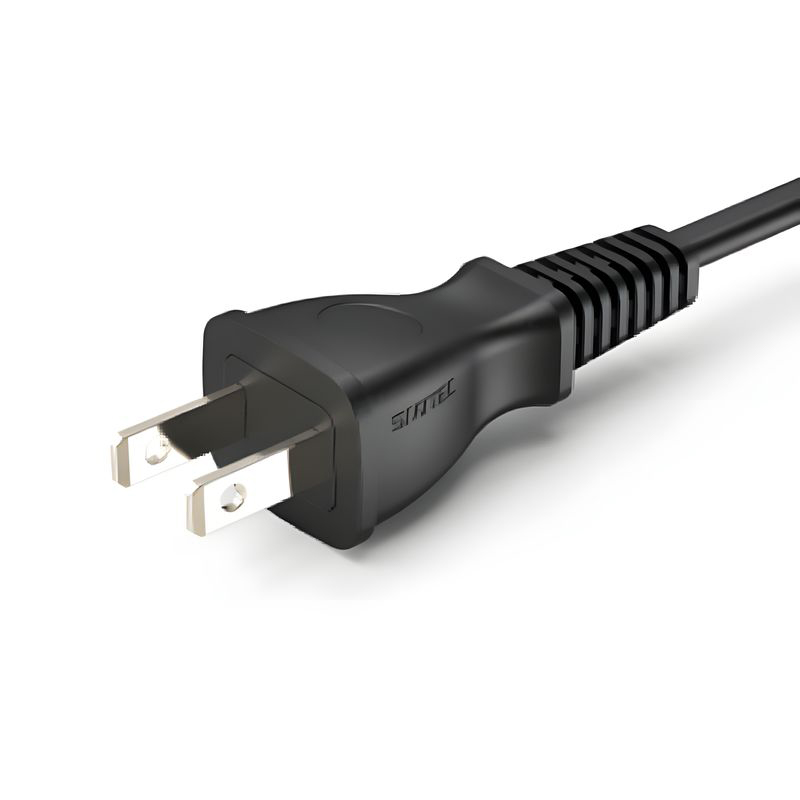
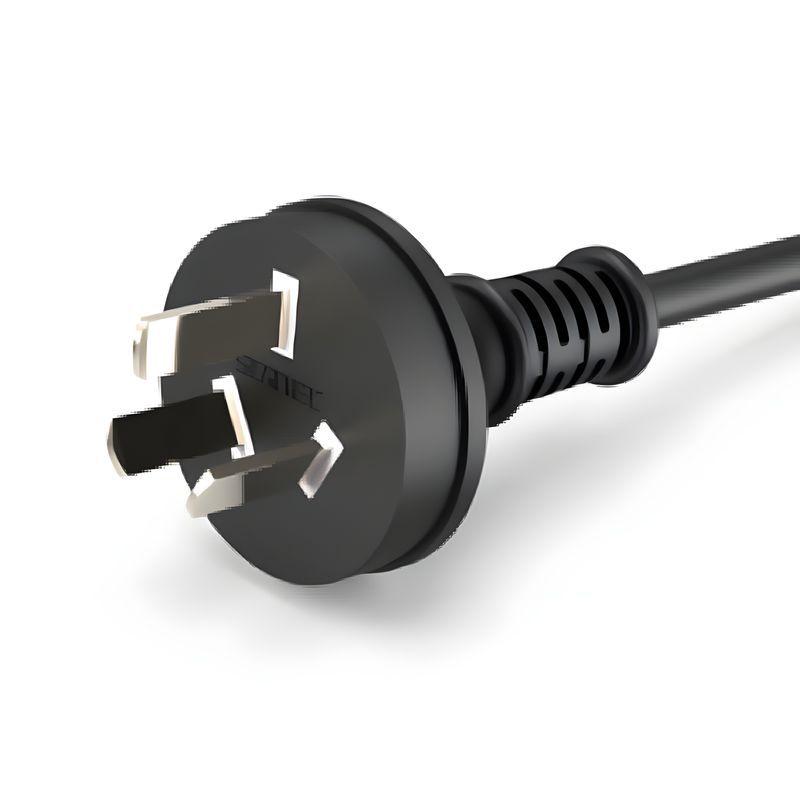
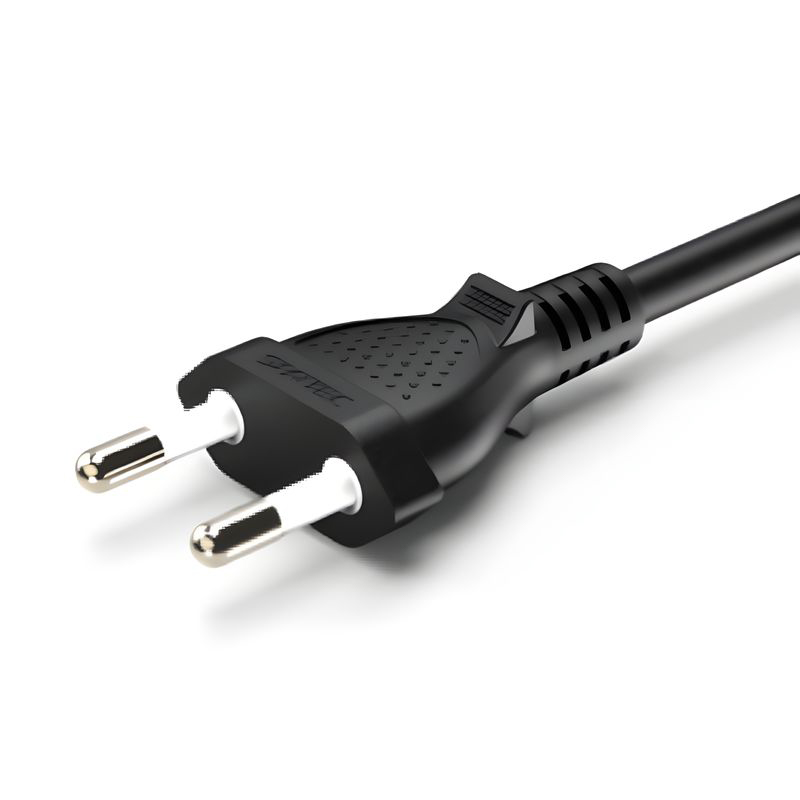
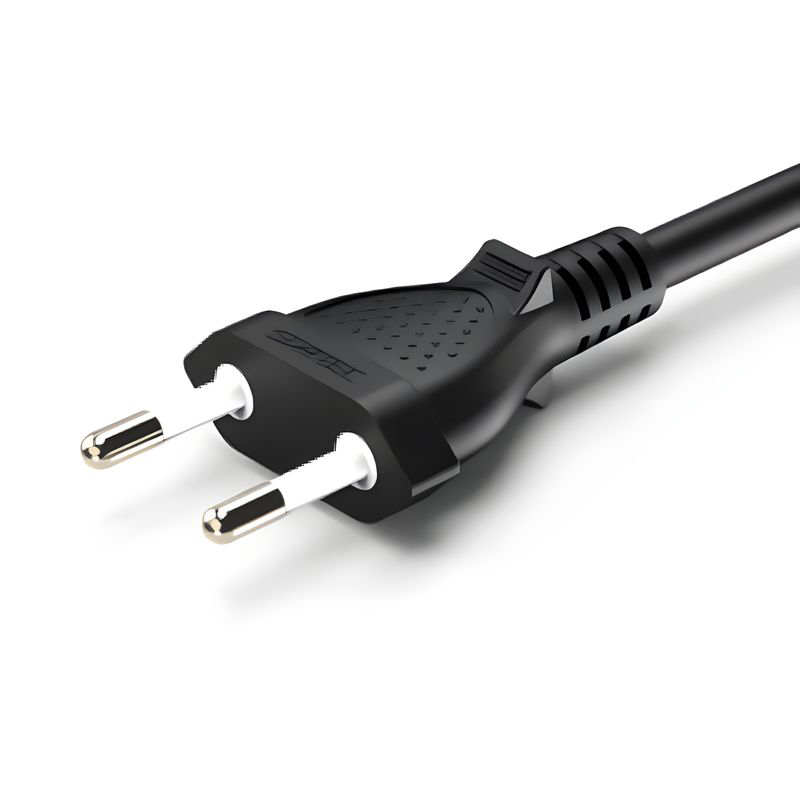
An Indonesia power plug is designed to match the country's standard electrical infrastructure, where the voltage is 230V and the plug used in Indonesia is typically the Type C or Type F round two-pin design, compatible with much of Europe's socket layout. Because Indonesia's outlets accept both ungrounded Type C plugs and grounded Type F plugs with side clips, manufacturers exporting cords to the region must confirm which configuration best matches the target appliance and local safety expectations.
Products distributed in Indonesia are also expected to comply with SNI (Standar Nasional Indonesia) certification, the country's national standards system that governs safety requirements for electrical goods sold domestically.
Key Advantages of a Properly Certified Indonesia Power Plug
Wide Outlet Compatibility
Because the plug used in Indonesia shares dimensions with the common European round-pin standard, a well-designed Indonesia power plug fits smoothly into most household and commercial sockets without requiring additional adapters.
Streamlined Market Entry Through SNI Compliance
An SNI-certified Indonesia power plug allows manufacturers to move products through customs and retail channels more efficiently, since Indonesian authorities and distributors commonly request certification documentation before accepting electrical goods.
- Compatibility with both Type C and Type F outlets
- Reduced customs and compliance delays through SNI certification
- Consistent performance across Indonesia's 230V grid
How an Indonesia Power Plug Is Configured
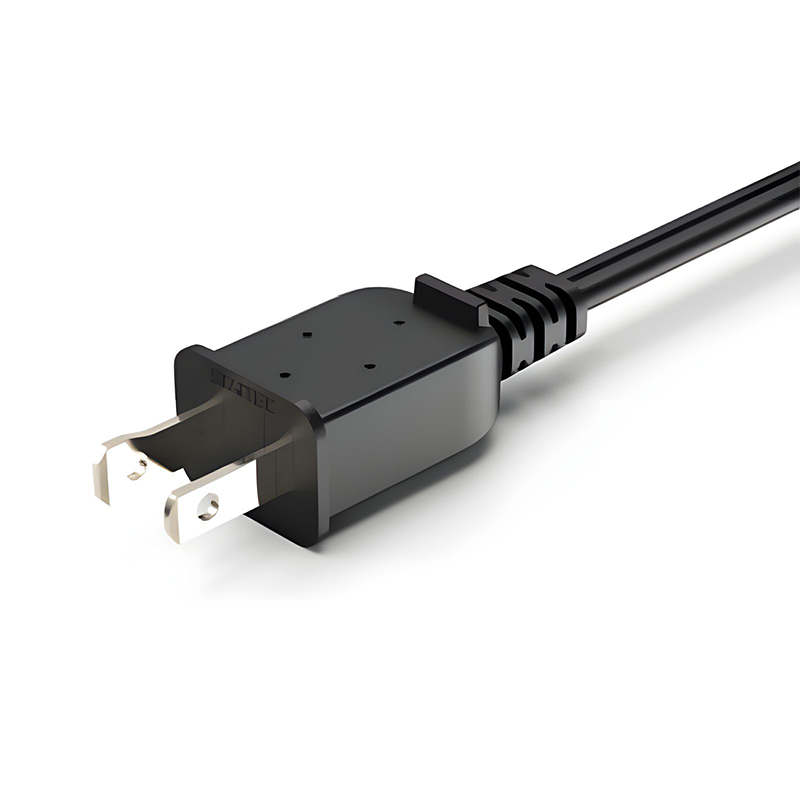
A standard Indonesia power plug pairs a Type C or Type F round two-pin design with an appliance connector such as an IEC C13 or C7, depending on the device being powered. Type F plugs include grounding clips on the sides for added safety and are generally recommended for higher-power appliances, while Type C plugs remain common for smaller electronics. Conductor gauge and insulation thickness must be selected to match the current draw of the connected device while meeting SNI flammability and durability requirements.
| Plug Type | Grounding | Typical Use |
|---|---|---|
| Type C | Ungrounded | Small electronics, chargers |
| Type F | Grounded (side clip) | Appliances, power tools |
Sourcing a Reliable Indonesia Power Plug Supplier
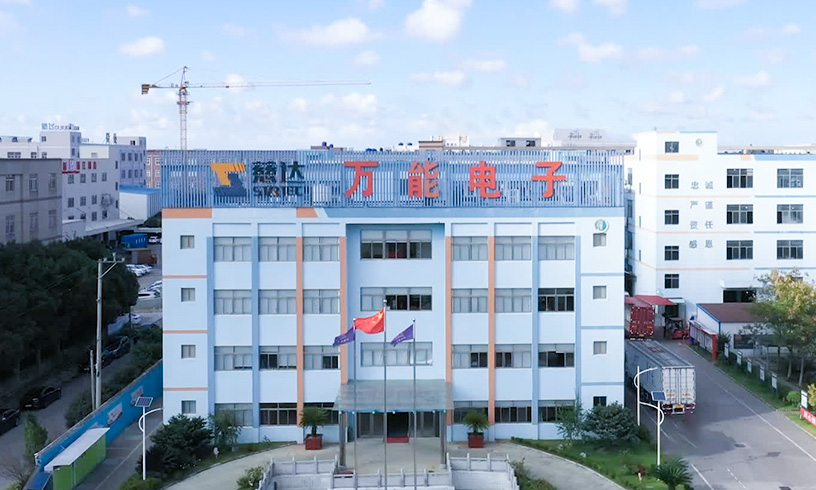
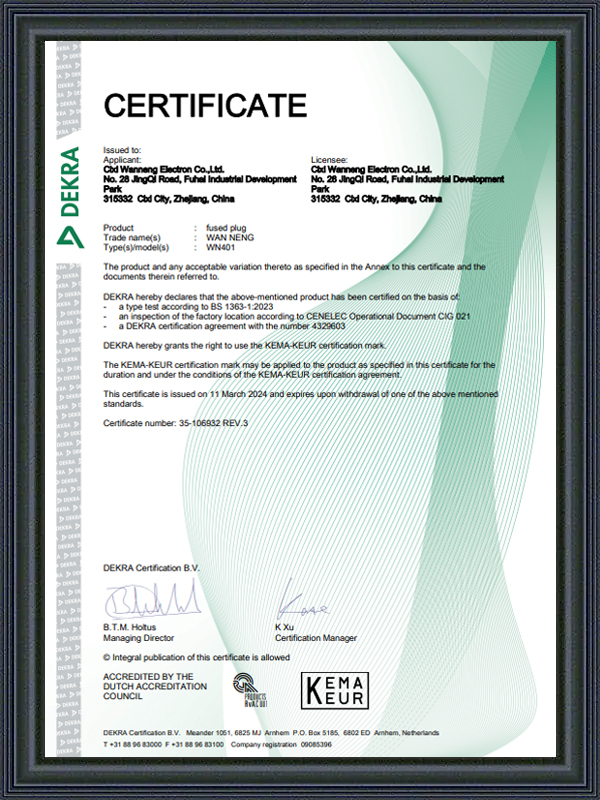
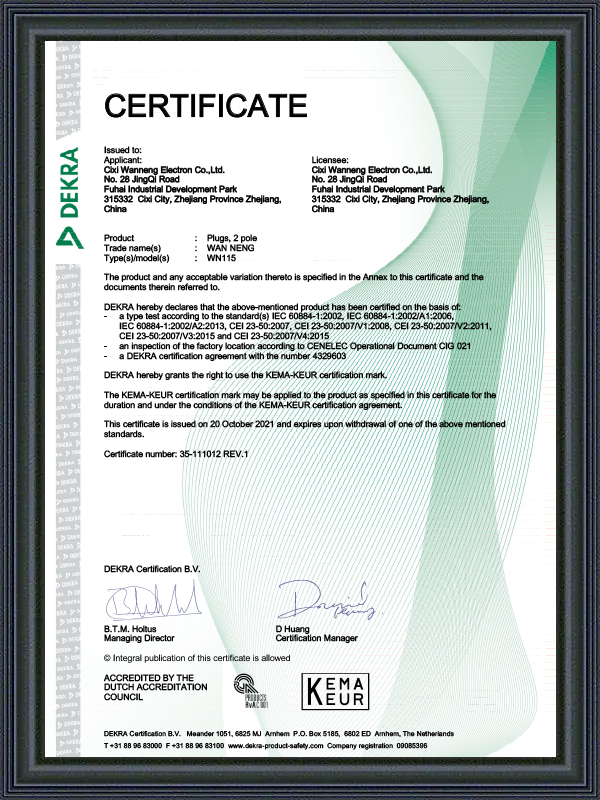
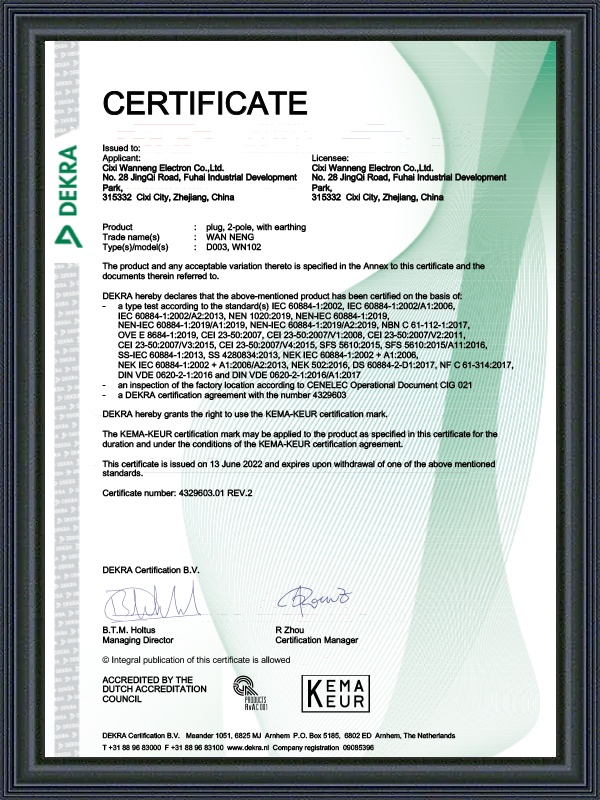
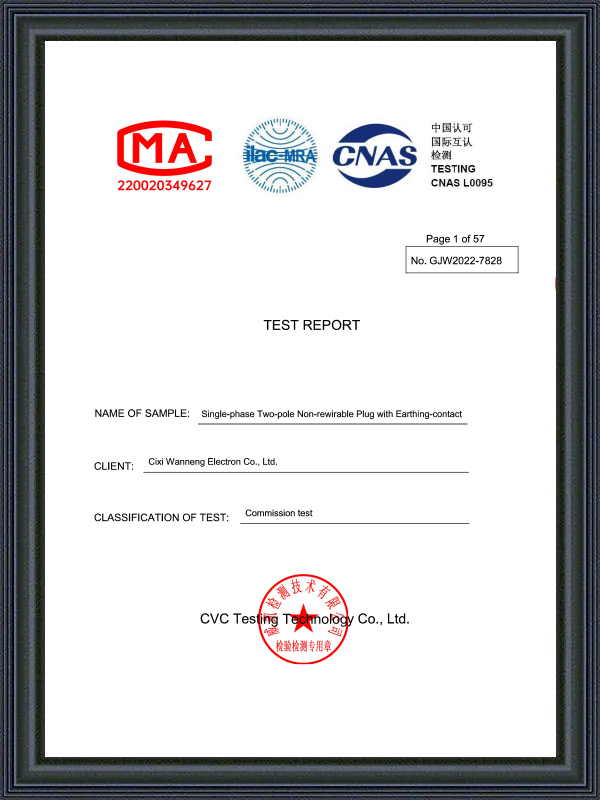
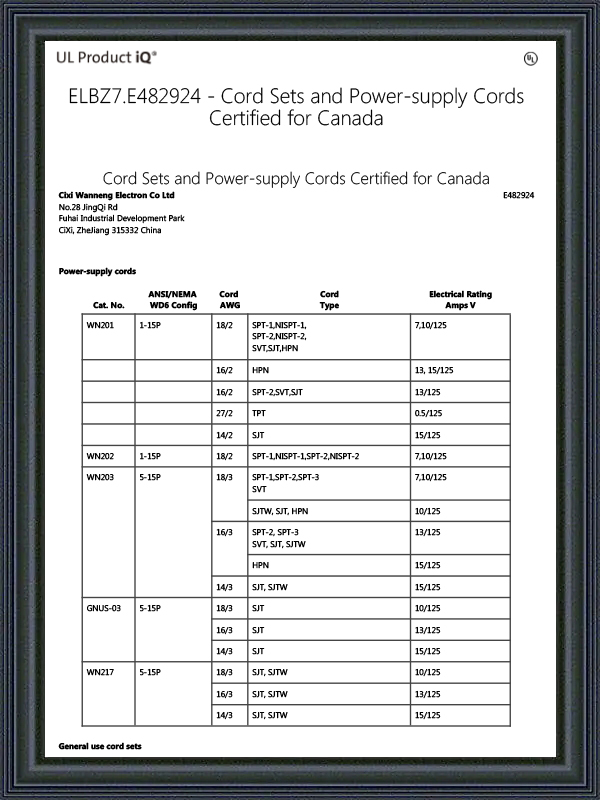
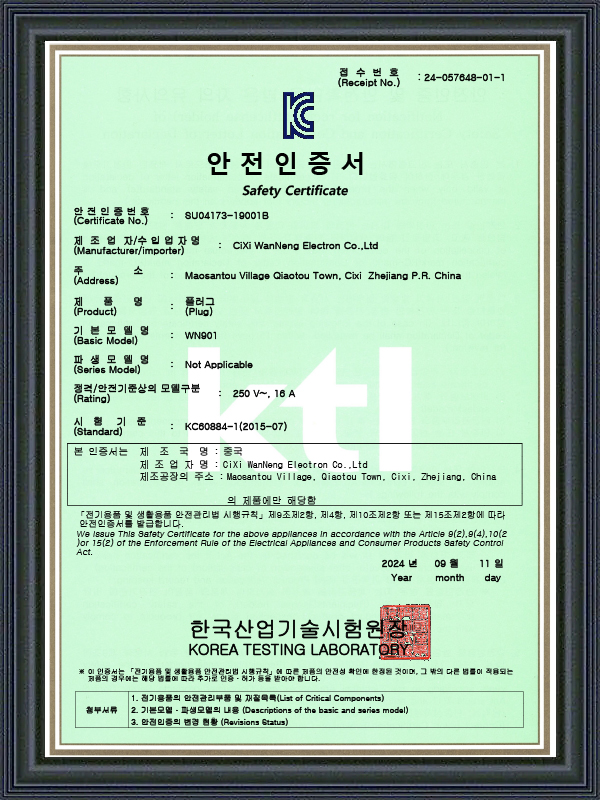
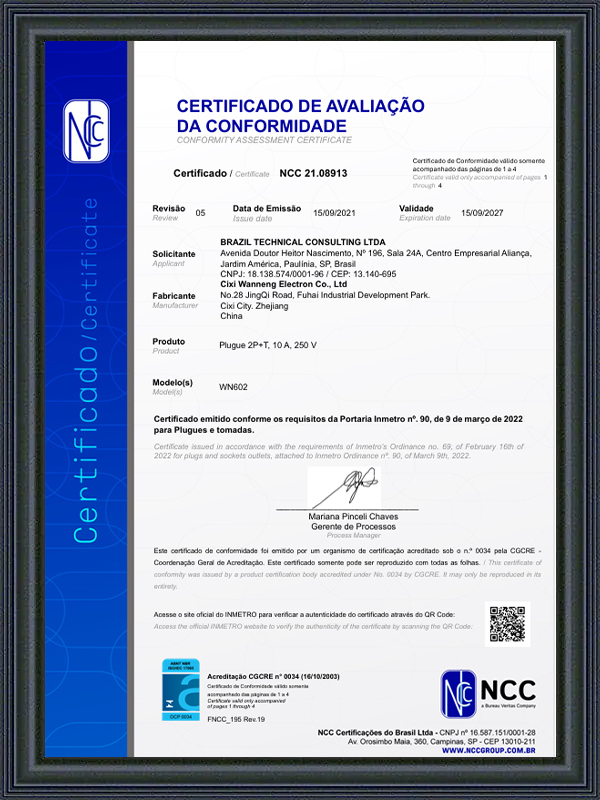
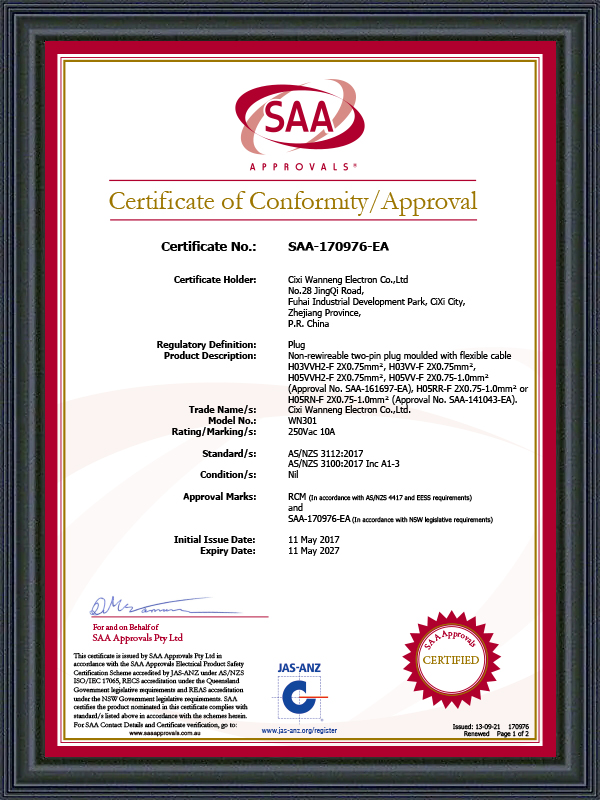
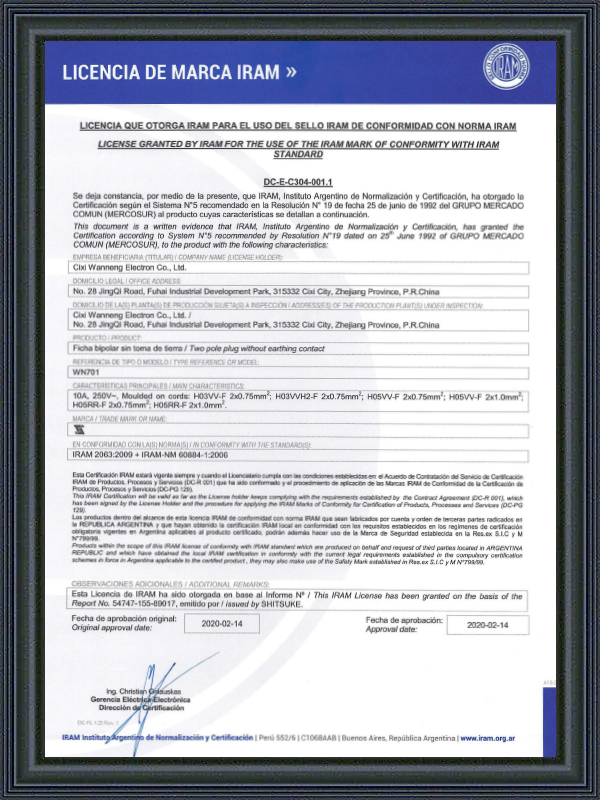
Working with an experienced manufacturer helps ensure every Indonesia power plug shipment meets SNI documentation and correct plug configuration requirements. Cixi Wanneng Electron Co., Ltd., founded in 1995, is a reliable manufacturer of power cords, rubber cables, data cables, and harness assemblies, with full in-house capabilities from copper wire drawing to plug molding, supporting precise plug dimension control and consistent conductor quality. Its smart factory produces 600,000+ units daily, backed by 100+ engineers and multiple international certifications, including UL, VDE, CCC, SAA, UKCA, CE, RoHS, and REACH, serving home appliances, medical equipment, power tools, and industrial clients across many regions.
Insulation material also affects an Indonesia power plug's long-term reliability. Flame-retardant PVC compounds commonly used in wire and cable manufacturing help maintain flexibility and heat resistance across Indonesia's warm, humid tropical climate.
Frequently Asked Questions
Q1: What is the most common plug used in Indonesia?
Both Type C and Type F plugs are widely used, with Type F preferred for higher-power appliances due to its grounding clips.
Q2: Is SNI certification required for an Indonesia power plug?
Yes, most electrical products sold in Indonesia require SNI certification, and distributors commonly request this documentation before accepting shipments.
Q3: Can a European plug be used interchangeably in Indonesia?
In many cases yes, since Type C and Type F plugs share similar dimensions with common European standards, but confirming grounding requirements and SNI compliance is still recommended.

