




 C13 till C15 nätsladd: skåran, temperaturklassificeringar och vilken du behöver


What Is an IEC C5 Connector
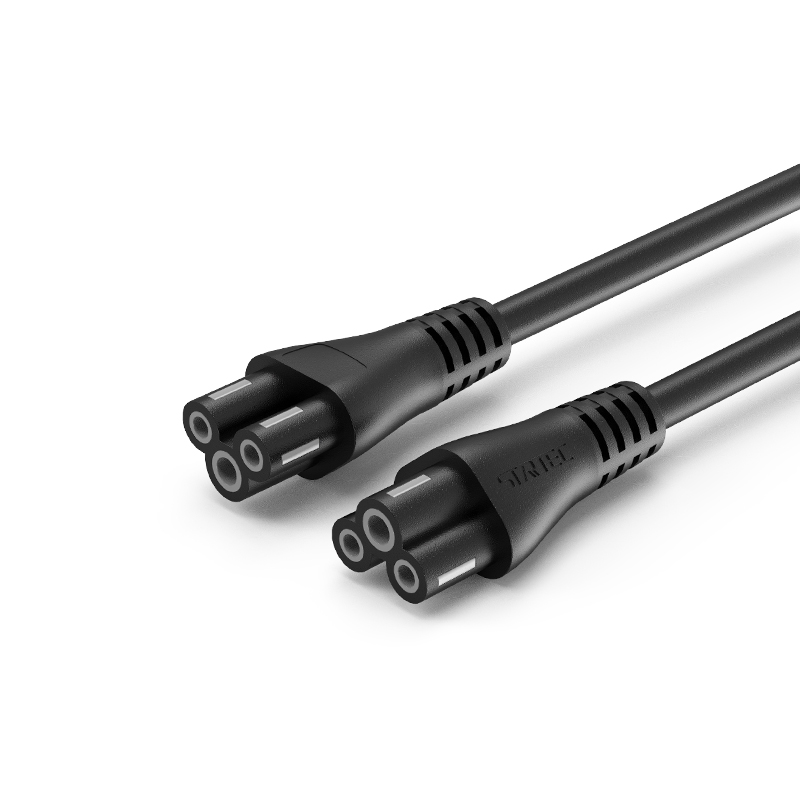
An IEC C5 connector is a three-pin appliance coupler defined under IEC 60320, commonly recognized by its distinctive cloverleaf, or "Mickey Mouse," shape. This c5 power connector is typically rated for up to 2.5A at 250V and is widely used on laptop power adapters, small electronics, and other devices that require a grounded but compact connection point. The three-pin arrangement, compared to the two-pin C7 connector, provides an earth ground path, making it suitable for equipment with metal enclosures or higher insulation class requirements.
On the mating side, the IEC C5 connector pairs with a C6 inlet on the device itself, forming a standardized, polarized connection that prevents incorrect insertion and supports safe, repeated plugging and unplugging over the product's service life.
Key Advantages of the IEC C5 Connector
Compact Grounded Design
Unlike bulkier grounded connectors, the c5 power connector delivers a reliable earth connection in a small footprint, making it ideal for space-constrained devices such as laptop chargers and compact power supplies.
Global Standardization
Because the IEC C5 connector follows the internationally recognized IEC 60320 standard, manufacturers can pair it with region-specific plugs on the other end of the cord, simplifying product design for global markets without redesigning the device-side connector.
- Grounded connection in a compact, lightweight form factor
- Polarized design prevents incorrect insertion
- Broad compatibility across international power cord configurations
How an IEC C5 Connector Works
The IEC C5 connector functions by mating with a corresponding C6 inlet mounted on the powered device. Its three recessed pins, arranged in the characteristic cloverleaf pattern, align with the inlet to establish live, neutral, and ground connections simultaneously. This design ensures the connector can only be inserted in the correct orientation, reducing the risk of wiring errors during assembly or replacement. Because the c5 power connector is rated for moderate current loads, it is generally paired with lighter-gauge conductors than those used for higher-power C13/C14 configurations.
| Attribute | Specification |
|---|---|
| Rated current | Up to 2.5A |
| Rated voltage | Up to 250V |
| Mating inlet | IEC C6 |
| Pin count | 3 (live, neutral, ground) |
Choosing a Reliable IEC C5 Connector Supplier
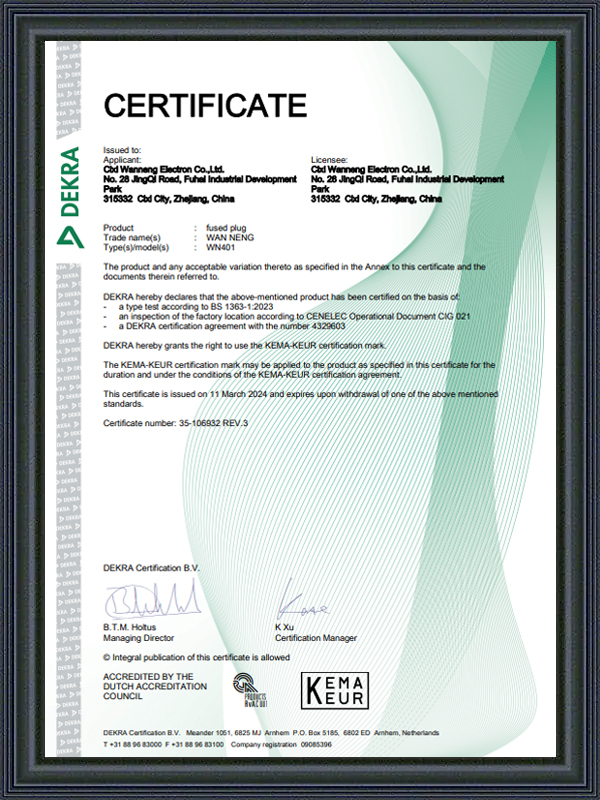
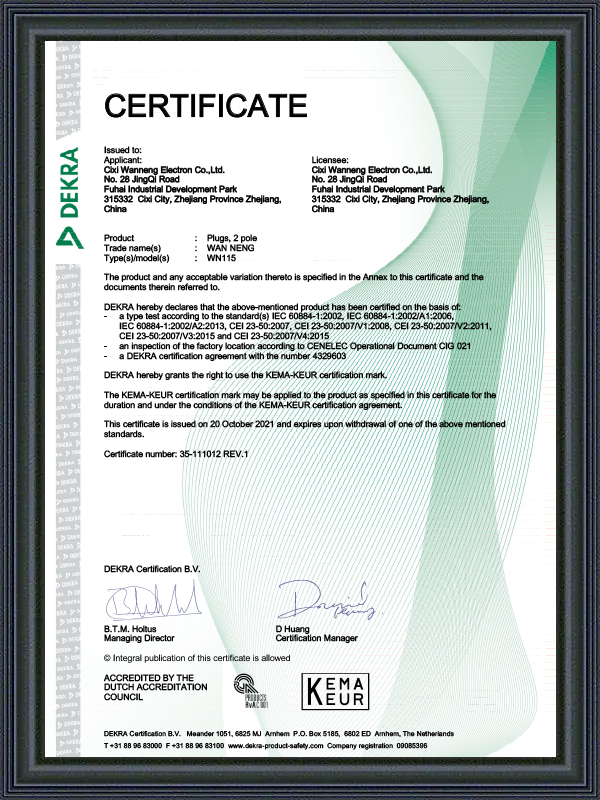
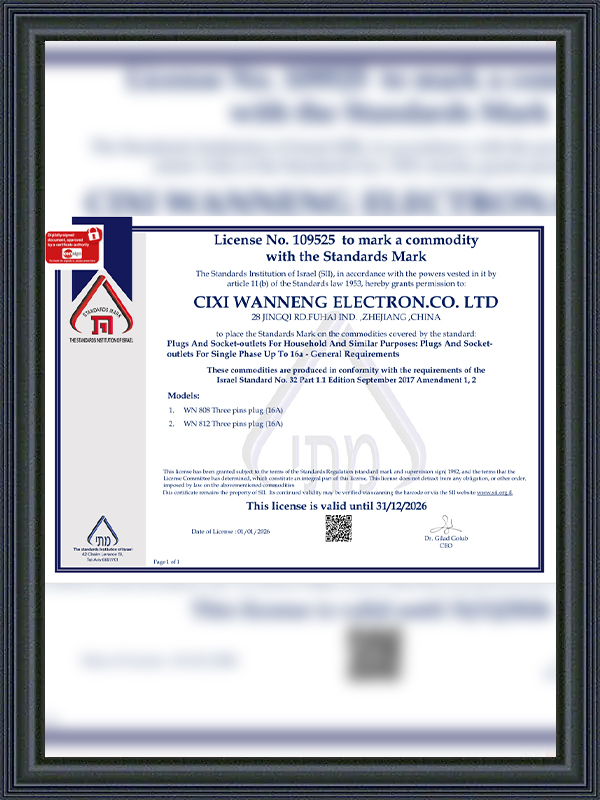
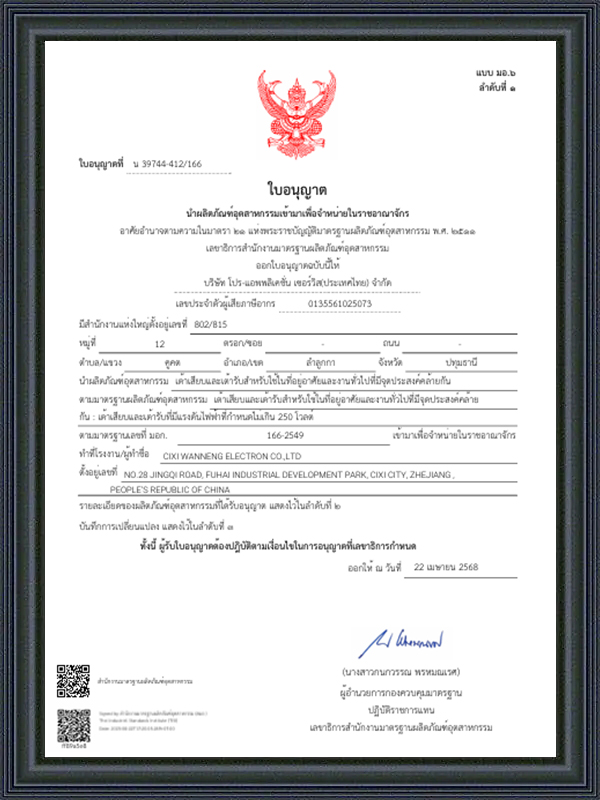
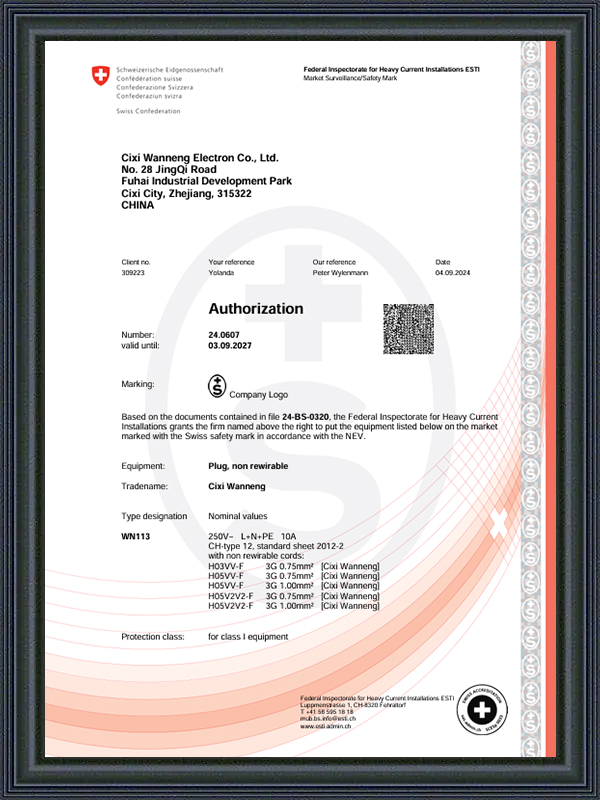
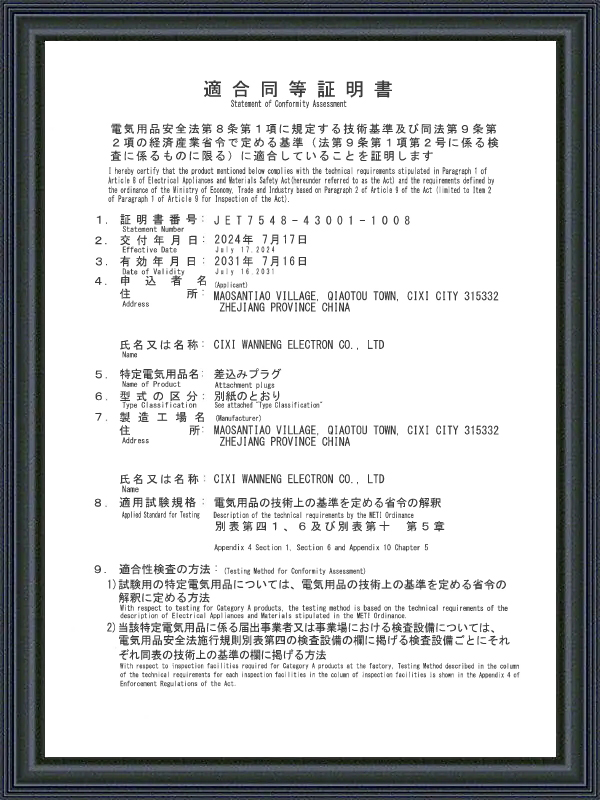
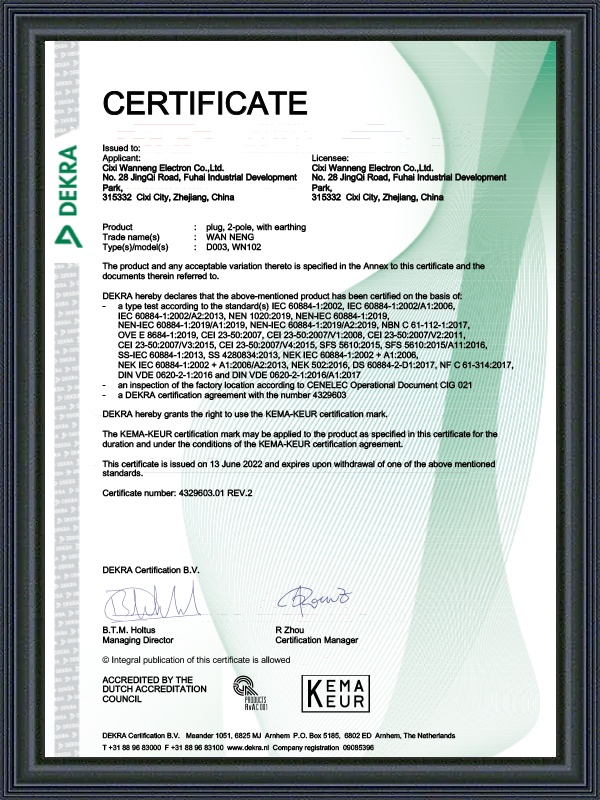
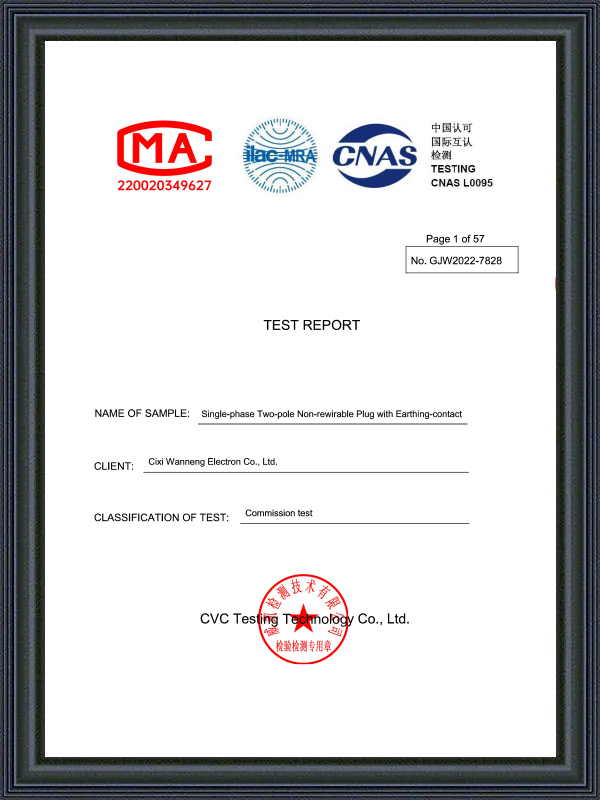
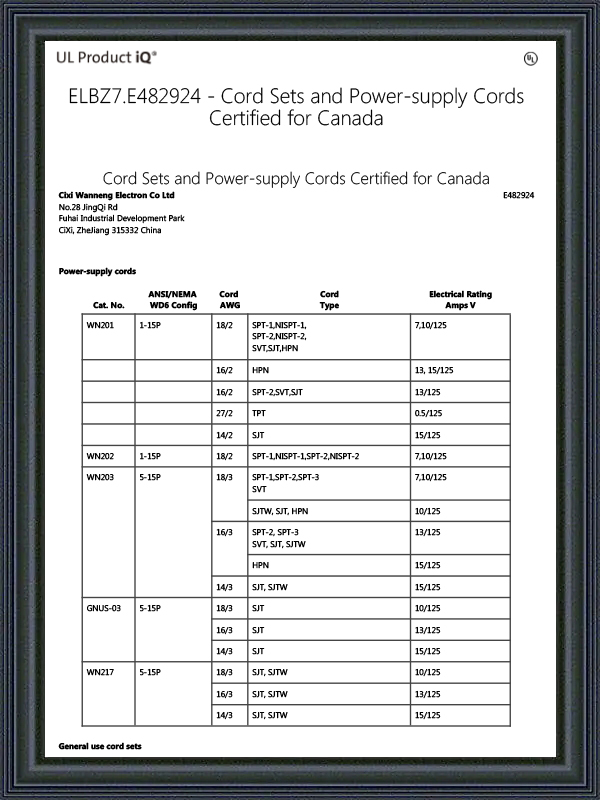
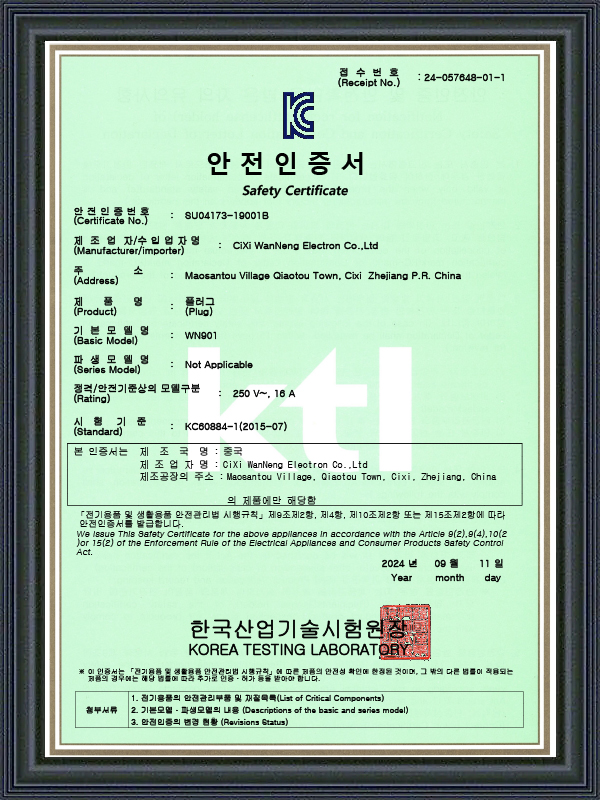
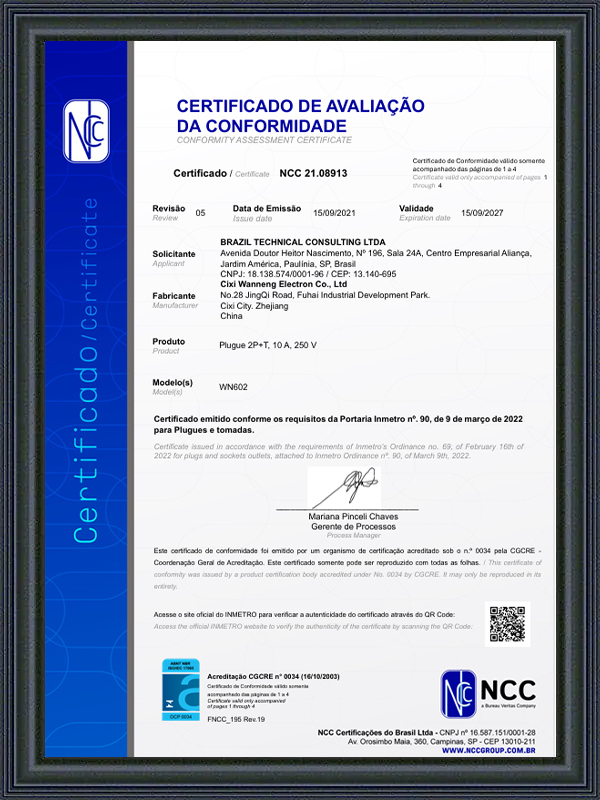
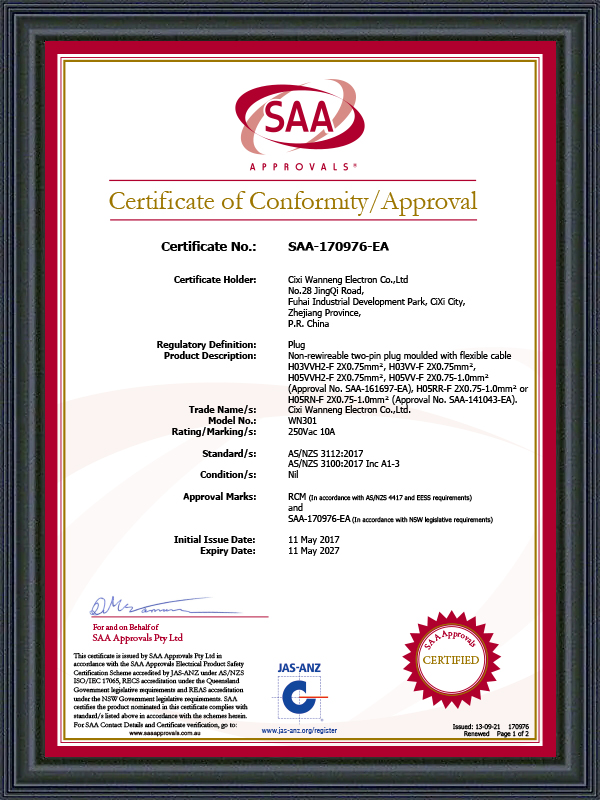
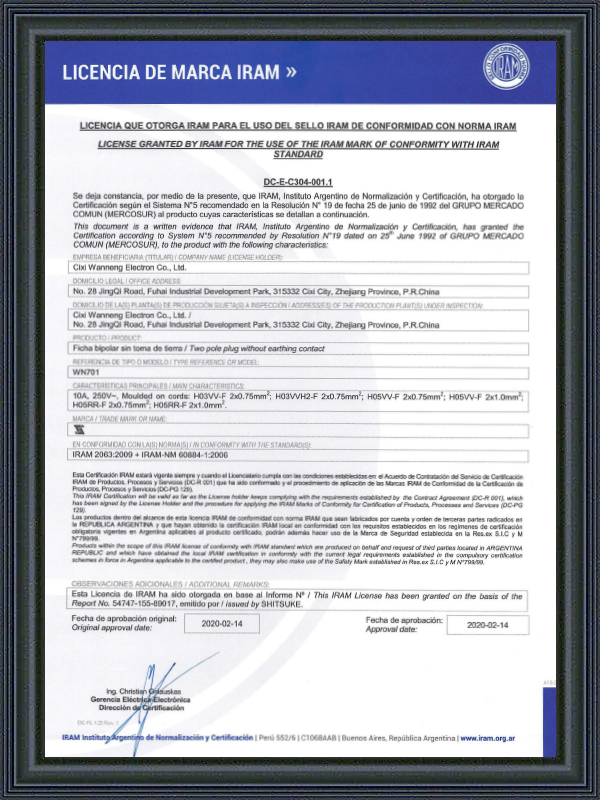
Consistency in molding precision and conductor termination is critical when sourcing a c5 power connector, since even small dimensional variations can affect mating reliability with the C6 inlet. Cixi Wanneng Electron Co., Ltd., founded in 1995, is a reliable manufacturer of power cords, rubber cables, data cables, and harness assemblies, with full in-house capabilities from copper wire drawing to plug molding, supporting tight tolerance control across connector production. Its smart factory produces 600,000+ units daily, backed by 100+ engineers and multiple international certifications, including UL, VDE, CCC, SAA, UKCA, CE, RoHS, and REACH, serving home appliances, medical equipment, power tools, and industrial clients across many regions.
Insulation and housing materials also influence long-term durability. Flame-retardant PVC and thermoplastic compounds commonly used in wire and cable manufacturing help an IEC C5 connector maintain stable insulation resistance and mechanical strength through repeated connect-disconnect cycles.
Frequently Asked Questions
Q1: What is the difference between an IEC C5 connector and a C7 connector?
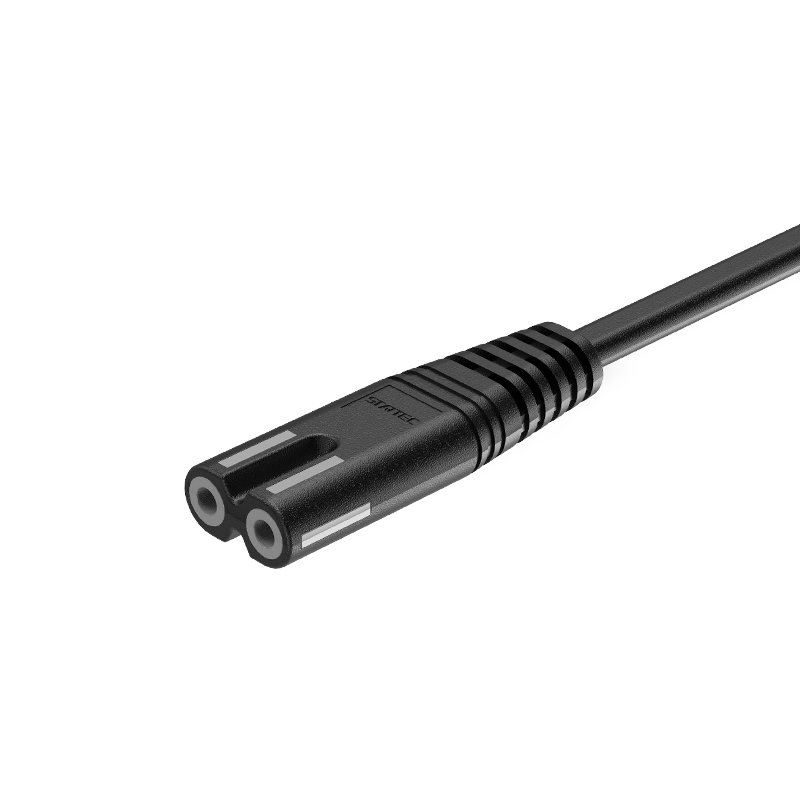
The C5 connector has three pins and provides a grounded connection, while the C7 connector has two pins and is used for ungrounded, double-insulated devices.
Q2: What devices commonly use a c5 power connector?
Laptop power adapters, small printers, and compact electronics with grounded metal housings frequently use this connector type.
Q3: Can an IEC C5 connector be used with higher-power equipment?
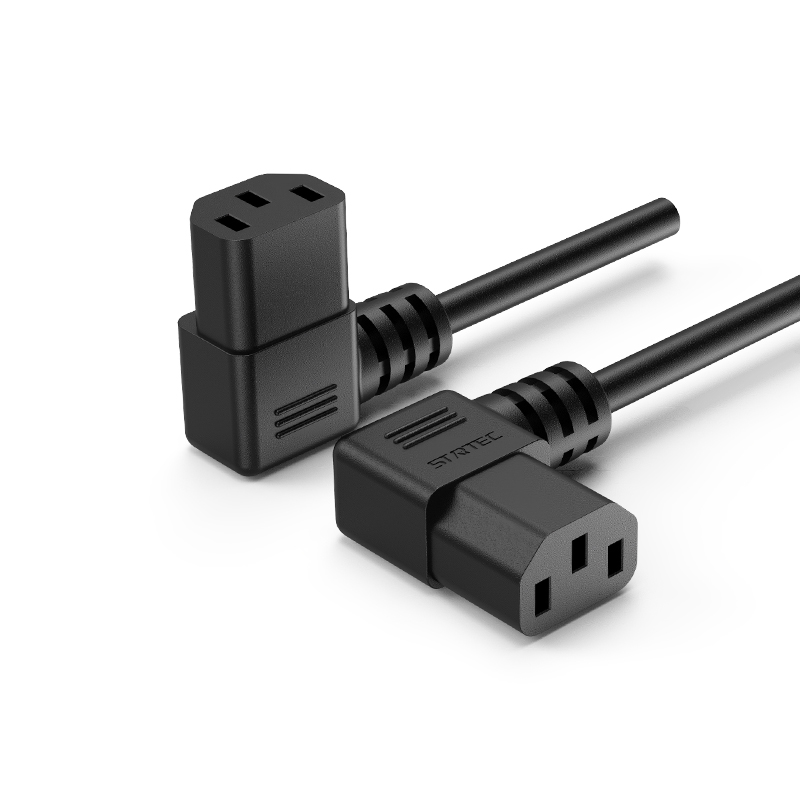
No, since it is rated for up to 2.5A, higher-power devices typically require a C13/C14 configuration instead, which supports greater current capacity.

